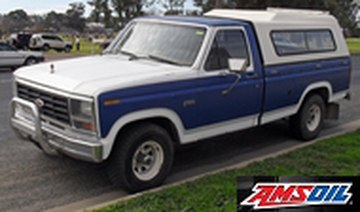
Engine Lubrication Maintenance for the 1981 Ford Trucks F250 5.8L
Maintaining a heavy-duty vehicle like the 1981 Ford Trucks F250 requires a disciplined approach to routine service. For those operating the 5.8L engine, consistent attention to lubrication is a fundamental aspect of long-term mechanical health. Because these vehicles are often subjected to varying work cycles and environmental conditions, understanding how to monitor and manage engine oil is essential for any owner or technician.
Monitoring Fluid Integrity and Condition
A primary step in routine maintenance involves the regular observation of lubricant condition. Rather than relying solely on scheduled intervals, an observant owner can gain significant insight into the engine's state by inspecting the oil itself. When checking the oil level, the physical appearance of the fluid can provide clues regarding the internal environment of the 5.8L engine.
If the oil appears excessively dark or contains visible particulate matter, it may indicate that the lubricant has reached the end of its effective service life or that the filtration system is struggling to manage contaminants. Furthermore, any unusual odor or a milky consistency in the oil warrants immediate investigation, as these can be associated with various internal conditions that require professional diagnosis. Monitoring for changes in how the engine behaves—such as shifts in noise levels or unexpected consumption of fluid—is equally important for identifying potential issues before they escalate.
Observing Potential Warning Signs
While many mechanical issues develop gradually, certain symptoms serve as indicators that closer inspection is necessary. For a 1981 Ford Trucks F250, these signs often manifest through visible evidence or changes in vehicle operation. It is important to remember that a single symptom can have multiple underlying causes; therefore, any observation should be treated as a prompt for further investigation rather than a definitive diagnosis.
- Fluid Seepage: Inspecting the area around the engine for signs of wetness or residue can help identify where gaskets or seals may be losing their effectiveness.
- Exhaust Observations: Changes in exhaust color or consistency should be monitored, as they can sometimes be linked to how the engine is managing its lubrication.
- Warning Indicators: If the vehicle is equipped with oil-related warning lights or gauges, any deviation from normal operating ranges requires immediate attention.
- Mechanical Noise: New or changing sounds during engine operation may indicate that the lubrication is not performing as intended under specific loads.
By staying proactive and recognizing these subtle shifts, owners can move from reactive repairs to a more controlled maintenance strategy.
Managing Aging Components and Materials
As vehicles age, the materials used in their construction—such as rubber, plastic, and various sealants—undergo natural changes. For an older F250, maintenance priorities often shift toward managing these aging components. This does not mean that parts must be replaced simply because of the vehicle's age, but rather that inspections should be more frequent and condition-based.
When performing service, it is useful to inspect accessible hoses and belts, if equipped, for signs of deterioration such as cracking, glazing, or fraying. Similarly, checking electrical connections for corrosion and ensuring that wiring harnesses remain secure can prevent secondary issues. For the 5.8L engine, maintaining a clean environment around the engine block also helps in clearly identifying any new leaks or seepage that might otherwise be hidden by accumulated grime.
Establishing a Maintenance Baseline
For owners who have recently acquired a 1981 Ford Trucks F250, or those who lack a complete service history, establishing a maintenance baseline is a critical first step. Without knowing exactly when the oil was last changed or which components were last inspected, it is difficult to predict future needs accurately.
A practical way to begin is by performing a comprehensive inspection of all fluids and filters. Documenting the current condition of the engine oil, the state of the belts, and the integrity of visible seals allows you to create a "starting point" for your records. Once this baseline is established, you can more easily notice when something changes. Keeping a detailed log of every oil change, filter replacement, and observed inspection result is one of the most effective ways to manage the long-term health of a vintage truck.
Prioritizing Service Tasks
Effective maintenance is about knowing where to focus your time and resources. Rather than attempting to address every possible component at once, prioritize tasks based on current vehicle condition and observed needs. If you notice active seepage or if the oil level requires frequent topping off, these should be addressed before moving on to more general preventive measures.
Reviewing any available repair records can also help guide your priorities. For example, if a previous owner replaced certain gaskets or belts recently, those items may not require immediate attention, whereas components with no documented history should be moved higher up the inspection list. This organized approach ensures that you are addressing the most pressing needs of the 5.8L engine while still maintaining a steady rhythm of general upkeep.
Practical Guidance for Buying Engine Oil for your 1981 Ford Trucks F250 5.8L
When it is time to replenish the lubrication in your engine, the most important step is to ensure the product matches the specific requirements of your application. Because different engines and operating environments demand different properties, you should not rely on general assumptions about what an older truck might need.
To select the correct lubricant, match the engine oil to the vehicle-specific viscosity and application information already displayed on this webpage. Before making a purchase, carefully check the product labeling to verify that it meets the necessary quality standards and certifications. Depending on your specific needs and the current condition of your engine, you may encounter various options, including conventional oils, synthetic blends, or full synthetic formulations. Some high-mileage oil formulations also contain additives intended for use in aging engines, which may be a consideration during your selection process. Always prioritize the information provided in the application data above to ensure your 1981 Ford Trucks F250 5.8L receives the appropriate lubrication.